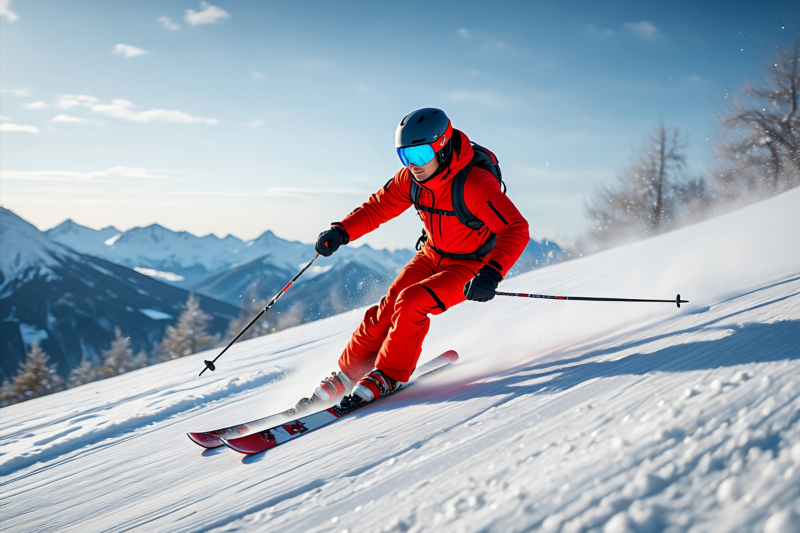
Weather and Snow Conditions Impact Ski Speed and Performance
Skiing is an exhilarating sport that combines skill, terrain, and environmental factors. While mastering technique is crucial, understanding how weather and snow conditions influence your speed and overall performance can make a significant difference. From chilly temperatures to snow crystals, these atmospheric elements shape your ride’s safety, efficiency, and enjoyment. This article explores how weather and snow conditions impact ski speed and performance—empowering you to optimize your experience on the slopes.
How Atmospheric Elements Influence Skiing Dynamics
Temperature: The Foundation of Snow Quality and Skiing Comfort
Temperature plays a pivotal role in determining snow consistency:
- Below-Freezing Temperatures: Create firm, icy snow that offers less grip but higher speed potential. Skiers often experience increased glide but must be cautious about slipping and falling.
- Mild Temperatures: Maintain softer, more forgiving snow conditions, reducing speed but enhancing comfort and reducing fatigue.
- Rapid Temperature Fluctuations: Lead to inconsistent snow texture, affecting stability and predictability.
Impact on performance: Cold, icy conditions generally increase speed—sometimes dangerously—while warmer, softer snow can slow you down but improve control.
Wind: The Invisible Resistor
Wind influences skiing in several ways:
- Headwinds: Increase air resistance, lowering achievable speeds and making it harder to maintain momentum.
- Tailwinds: Can boost your speed temporarily but may also cause instability.
- Crosswinds: Affect balance and direction, requiring heightened skill to navigate effectively.
Tips: Ski in sheltered areas or during calm days to maximize control and safety.
Snow Conditions: The Key to Speed, Grip, and Safety
Snow Crystal Types and Their Impact
Different snow types impact how skis glide and carve:
| Snow Type | Characteristics | Effect on Ski Performance |
| Powder (Light, Fluffy) | Low density, soft, dry snow | Slower speeds, less control |
| Packed Snow | Compacted, firm surface | Increased glide, optimal speed |
| Icy Snow | Frozen, hard surface | Very fast but slippery, higher risk |
| Wet Snow | Moist, heavy snow | Slower speeds, more grip |
Snow Quality and Grooming
- Groomed Slopes: Well-maintained, smooth snow reduces resistance, facilitating higher speeds and more precise turns.
- Ungroomed Trails: Variable conditions can slow down skiers and demand greater skill.
Pro Tip: Choose groomed runs for speed enthusiasts, and challenge yourself with ungroomed terrain to build adaptability.
How to Optimize Your Performance Based on Conditions
Strategy Tips
- Check Weather and Snow Reports: Always review updated forecasts and trail conditions before heading out.
- Adjust Your Technique: Adapt your stance, turning radius, and speed according to the snow quality.
- Select Suitable Equipment:
- Shorter skis for icy or uneven snow for better control.
- Use wax designed for specific snow conditions to enhance glide.
- Wear Appropriate Clothing: Layering and windproof gear help maintain body temperature, improving focus and performance.
Safety First
- Be vigilant about icy patches and changing snow conditions.
- Ski within your skill level, especially under challenging weather.
- Use proper safety gear and respect slope markings.
Frequently Asked Questions
How does snow type affect ski speed?
Powder snow slows you down due to higher resistance but provides a softer ride. Packed snow offers less resistance, allowing for faster speeds and better control. Icy conditions can dramatically increase speed but pose safety risks.
What weather conditions are best for maintaining good ski performance?
Clear, mildly cold days with minimal wind offer optimal conditions. These ensure stable snow, minimal wind resistance, and higher control.
Can changing weather impact safety measures?
Absolutely. Cold, icy conditions demand more cautious skiing, while warmer, softer snow may reduce speed but pose different risks such as falls or getting stuck.
Understanding how atmospheric elements and snow quality influence your skiing speed and efficiency is vital for both performance and safety. By monitoring weather patterns, recognizing snow types, and adapting your technique and equipment, you can enjoy smoother rides, improve your skills, and stay safer on the slopes. Next time you hit the mountain, leverage these insights to elevate your skiing game—because informed skiers carve smarter and safer!
Call to Action
Ready to level up your skiing experience? Stay updated on weather and snow conditions, invest in specialized waxes and tailored equipment, and practice adaptive techniques. Subscribe to our newsletter for expert tips and real-time updates to keep you ahead of the slopes. Your perfect ride awaits—hit the mountain prepared!